


- About WXPress
- WXPress is your window into the world of WuXi AppTec and our global partners.
- Sitemap
- Events
- Contact
- Please reach out with any business inquires.
- communications@wuxiapptec.com
© 2026 WuXi AppTec. All Rights Reserved.Privacy Policy
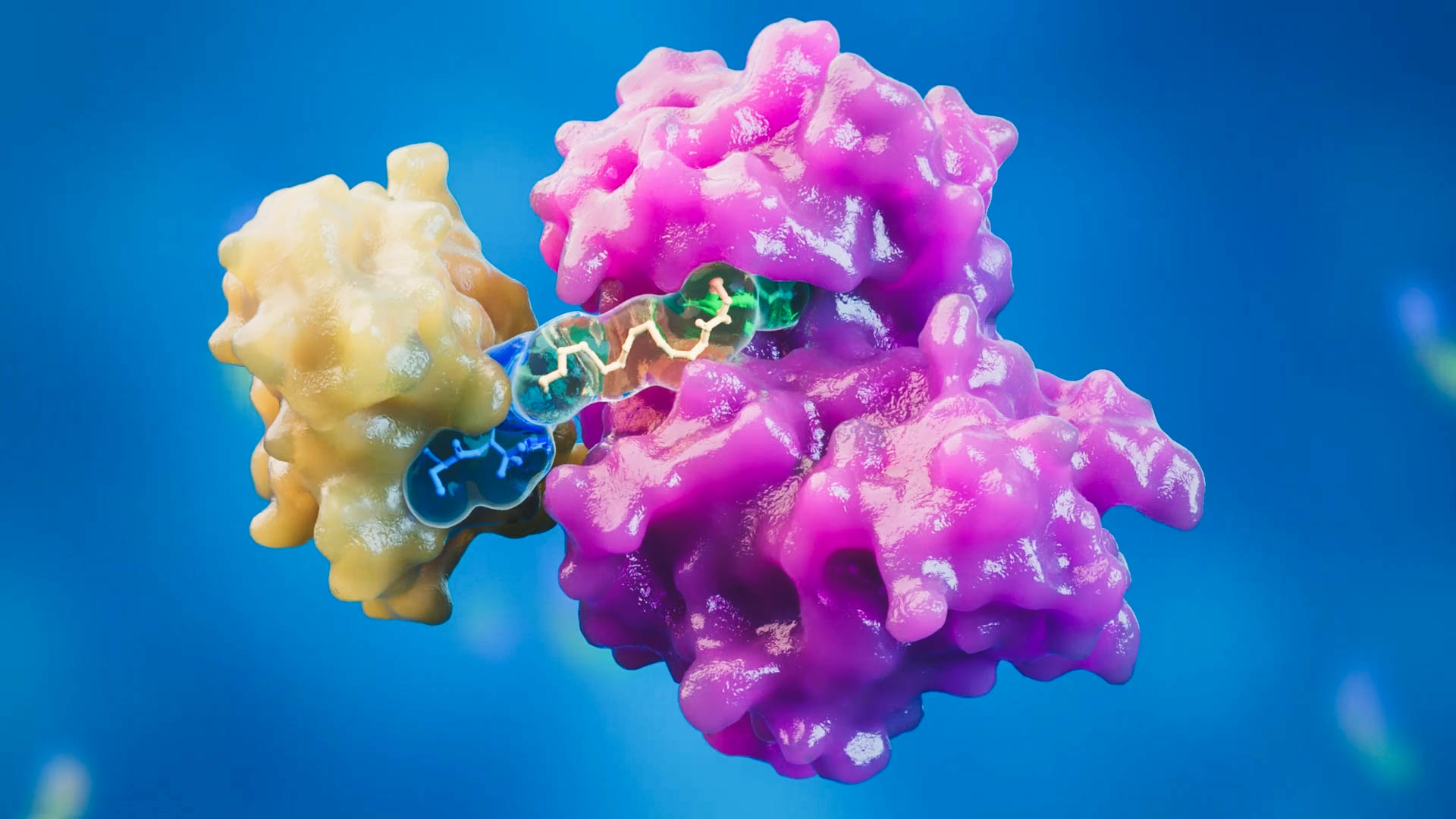
Targeted protein degraders (TPDs) offer a novel therapeutic approach by leveraging the body’s own protein degradation systems to eliminate disease-associated target proteins. This strategy opens new avenues for addressing previously “undruggable” targets. Nearly a decade ago, when this technology was still in its infancy, WuXi AppTec began building relevant capabilities. Since then, the company has established a comprehensive, integrated platform encompassing discovery, synthesis, purification, analysis, and testing. To date, this platform has supported the development of more than 120 TPD molecules, with over 20 advancing to clinical stages. This article summarizes key developments in the TPD landscape during the first half of 2025. It also presents a case study demonstrating how WuXi AppTec’s integrated CRDMO platform efficiently overcomes TPD development challenges, including preparing IND-enabling materials for a PROTAC candidate within just 12 months for first-in-human (FIH) trials.
Clinical Advances: First PROTAC (proteolysis-targeting chimera ) Phase 3 Results and Progress in Extracellular Degraders
In March 2025, Pfizer and Arvinas jointly announced top-line results from the first-ever Phase 3 clinical trial of a PROTAC therapy—vepdegestrant. In HR+, HER2- breast cancer patients with ESR1 mutations, vepdegestrant reduced the risk of disease progression or death by more than 40% compared to the active control (hazard ratio < 0.60). Arvinas and Pfizer have recently submitted a new drug application (NDA) for the drug.
Arvinas' second PROTAC candidate, ARV-102, also showed promise in Phase 1 studies, achieving significant reductions in LRRK2 protein levels in both the central nervous system and peripheral tissues of healthy volunteers—laying the groundwork for future clinical trials in LRRK2-related neurodegenerative diseases.
Meanwhile, Kymera Therapeutics reported positive Phase 1 results for KT-621, a potential first-in-class oral STAT6 degrader. Once-daily administration achieved over 90% average degradation of STAT6 in the blood at doses above 1.5 mg. Complete degradation in both blood and skin was observed in all multiple ascending dose (MAD) cohorts at doses ≥50 mg.
Beyond PROTACs, extracellular protein degradation therapies are also gaining traction. Biohaven’s BHV-1300 and BHV-1400 demonstrated rapid and robust reductions in target protein levels—achieving 70–80% decreases within hours. These molecules bind target proteins on one end and the asialoglycoprotein receptor (ASGPR) on the other, thereby facilitating internalization and degradation via endocytosis.
Financing and Collaborations: Molecular Glues Attract Major Deals
Alongside bifunctional degraders, molecular glues—small molecules that induce or stabilize interactions between E3 ligases and target proteins—continue to draw significant interest. In 2024, multiple major pharmaceutical companies signed R&D deals for molecular glue technologies worth over $1 billion.
That momentum has carried into 2025, with several multinational pharmaceutical companies announcing collaborations focusing on molecule glues-based degraders, targeting undruggable targets in oncology, immunology, and more diseases with unmet medical needs. In addition, novel proximity-inducing mechanisms are being explored to target disease-relevant tissues with high precision.
In parallel, several emerging companies in the TPD space completed new funding rounds during H1 2025.
The potential of targeted protein degradation continues to expand. A recent article in Nature Medicine noted, the ability to degrade proteins with orally available small molecules is fundamentally reshaping drug discovery—liberating scientists from traditional “druggability” constraints and allowing them to focus on the targets that matter most in disease biology. As the field progresses, more TPD therapies are expected to achieve clinical milestones and ultimately bring benefits to patients worldwide.
However, the promise of TPDs comes with unique development challenges. For example, due to their large molecular weight and structural complexity, PROTACs often suffer from poor solubility and suboptimal pharmacokinetics. The following case study illustrates how WuXi STA, an integral part of WuXi AppTec, collaborated with a partner to address these challenges effectively.
Addressing Key Bottlenecks in TPD Drug Development
Several years ago, a biotech company developing a PROTAC candidate faced synthetic challenges and turned to WuXi STA for support. The goal was to complete the production of drug substance and clinical trial material production within 14 months to support an IND filing and FIH trial. However, the original synthesis route involved 24 steps and yielded only 0.3%. Crystallization and purification proved difficult due to the compound’s unique structure.
Compounding the challenge, the candidate’s high molecular weight and poor solubility resulted in oral bioavailability of just 0.9%. Moreover, three steps in the synthesis relied on a palladium (Pd) catalyst, raising safety concerns and increasing production costs.
To resolve these issues, WuXi STA’s process chemistry, biocatalysis, and crystallization teams worked in concert to redesign the synthesis route, reducing the number of steps from 24 to 16 and replaced palladium with biocatalysts in two steps. To tackle crystallization bottlenecks, high-throughput crystallization screening identified suitable conditions that met both purity and yield requirements. These changes significantly improved the scalability and efficiency of the synthetic route while reducing costs.
Simultaneously, WuXi STA’s formulation team addressed the low oral bioavailability by exploring a range of enabling technologies and ultimately selected spray-dried dispersion (SDD) to prepare a solid dosage form. SDD disperses poorly soluble compounds in an amorphous state within a polymer matrix and has been successfully used in several approved drugs. With this approach, the candidate’s oral bioavailability improved approximately 30-fold—supporting further clinical advancement.
Thanks to WuXi STA’s integrated CRDMO model, API process development and formulation were advanced in parallel by multiple teams working seamlessly together. Ultimately, they delivered IND-enabling materials and clinical trial materials within just 12 months—two months ahead of schedule.
As one of the industry’s leading platforms enabling targeted protein degradation, WuXi AppTec’s integrated services extend beyond PROTACs to a wide array of bifunctional modalities, including:
As targeted protein degradation continues to evolve, WuXi STA remains committed to leveraging its integrated CRDMO platform to empower the development of targeted protein degraders, helping partners translate scientific innovation into transformative medicines for patients around the world.
Reference:
[1] Induced proximity pushes beyond protein degraders, as first RIPTAC moves into the clinic. Retrieved May 15, 2025, from https://www.nature.com/articles/d41573-025-00037-7
[2] Monte Rosa Therapeutics Announces Fourth Quarter 2024 Financial Results and Provides Corporate Update Including New Clinical Results from MRT-6160 and MRT-2359 Programs. Retrieved May 15, 2025, from https://www.globenewswire.com/news-release/2025/03/20/3046104/0/en/Monte-Rosa-Therapeutics-Announces-Fourth-Quarter-2024-Financial-Results-and-Provides-Corporate-Update-Including-New-Clinical-Results-from-MRT-6160-and-MRT-2359-Programs.html
[3] Magnet Biomedicine Enters into a Collaboration and License Agreement with Lilly to Discover and Develop Novel Molecular Glue Medicines. Retrieved May 15, 2025, from https://www.prnewswire.com/news-releases/magnet-biomedicine-enters-into-a-collaboration-and-license-agreement-with-lilly-to-discover-and-develop-novel-molecular-glue-medicines-302387756.html
[4] AbbVie and Neomorph Announce Collaboration to Develop Molecular Glue Degraders for Oncology and Immunology. Retrieved May 15, 2025, from https://www.prnewswire.com/news-releases/abbvie-and-neomorph-announce-collaboration-to-develop-molecular-glue-degraders-for-oncology-and-immunology-302357741.html
[5] Arvinas Presents First-in-Human Data for Investigational Oral PROTAC ARV-102 Demonstrating Blood-Brain Barrier Penetration, and Central and Peripheral LRRK2 Degradation. Retrieved May 15, 2025, from https://www.globenewswire.com/news-release/2025/04/04/3055854/0/en/Arvinas-Presents-First-in-Human-Data-for-Investigational-Oral-PROTAC-ARV-102-Demonstrating-Blood-Brain-Barrier-Penetration-and-Central-and-Peripheral-LRRK2-Degradation.html
[6] Arvinas and Pfizer Announce Positive Topline Results from Phase 3 VERITAC-2 Clinical Trial. Retrieved May 15, 2025, from https://www.globenewswire.com/news-release/2025/03/11/3040386/0/en/Arvinas-and-Pfizer-Announce-Positive-Topline-Results-from-Phase-3-VERITAC-2-Clinical-Trial.html
[7] Argobio and the Institut Pasteur launch Enodia Therapeutics: A biotech company with a new approach for Targeted protein Degradation. Retrieved May 15, 2025, from https://www.pasteur.fr/en/press-area/press-documents/argobio-and-institut-pasteur-launch-enodia-therapeutics-biotech-company-new-approach-targeted
[8] Biohaven Reports Positive Degrader Data Achieving > 80% Sustained Reductions in Total IgG with Potential First-in-Class BHV-1300. Retrieved May 15, 2025, from https://ir.biohaven.com/news-releases/news-release-details/biohaven-reports-positive-degrader-data-achieving-80-sustained
[9] Revolution Medicines Reports First Quarter 2025 Financial Results and Update on Corporate Progress. Retrieved May 15, 2025, from https://ir.revmed.com/node/11636
[10] Photys Therapeutics Enters into Exclusive License Agreement with Polymed for Phase 1-Ready IRAK4 Degrader, Furthering its Proximity-based Pipeline and Mission. Retrieved May 15, 2025, from https://www.globenewswire.com/news-release/2025/02/20/3029603/0/en/Photys-Therapeutics-Enters-into-Exclusive-License-Agreement-with-Polymed-for-Phase-1-Ready-IRAK4-Degrader-Furthering-its-Proximity-based-Pipeline-and-Mission.html
[11] Nurix Licenses a Drug Discovery Program to Sanofi Targeting a Novel Transcription Factor for Autoimmune Diseases. Retrieved May 15, 2025, from https://ir.nurixtx.com/news-releases/news-release-details/nurix-licenses-drug-discovery-program-sanofi-targeting-novel
[12] PAQ Therapeutics Announces $39 Million Series B Financing and Initiates Phase 1 Trial to Advance Novel Approach Addressing KRAS-Driven Cancers with High Unmet Need. Retrieved May 15, 2025, from https://www.prnewswire.com/news-releases/paq-therapeutics-announces-39-million-series-b-financing-and-initiates-phase-1-trial-to-advance-novel-approach-addressing-kras-driven-cancers-with-high-unmet-need-302447786.html
[13] Fraser Therapeutics Secures $29 Billion Series B from J&J and 8 Others. Retrieved May 15, 2025, from http://prazertx.com/pages/board/view.php?menu_code=477&board_sid=16&data_sid=261&page_num=&skey=&sval=&category_code1=
[14] TRIMTECH Therapeutics raises $31M seed funding to advance targeted protein degradation pipeline for treatment of neurodegenerative diseases. Retrieved May 15, 2025, from https://www.businesswire.com/news/home/20250305069531/en/TRIMTECH-Therapeutics-raises-%2431M-seed-funding-to-advance-targeted-protein-degradation-pipeline-for-treatment-of-neurodegenerative-diseases
[15] Auron Therapeutics Announces FDA Clearance to Initiate Clinical Development of AUTX-703 and Completion of Series B Financing. Retrieved May 15, 2025, from https://www.globenewswire.com/news-release/2025/02/04/3020131/0/en/Auron-Therapeutics-Announces-FDA-Clearance-to-Initiate-Clinical-Development-of-AUTX-703-and-Completion-of-Series-B-Financing.html
[16] Advancing targeted protein degraders: leveraging CMC strategies for rapid IND submission and bioavailability solutions. Retrieved May 15, 2025, from https://sta.wuxiapptec.com/wp-content/uploads/2024/10/Advancing-targeted-protein-degraders.pdf