- About WXPress
- WXPress is your window into the world of WuXi AppTec and our global partners.
- Sitemap
- Events
- Contact
- Please reach out with any business inquires.
- communications@wuxiapptec.com
© 2026 WuXi AppTec. All Rights Reserved.Privacy Policy
A great idea matters, but bringing it to life takes expertise, persistence, and people working toward a shared goal. In Cologne, that simple truth is written into the city’s skyline: the original vision for Cologne Cathedral took shape through the hands of generations of builders. Great achievements often begin with one idea and become reality through collective effort.
Drug R&D calls for that same shared commitment—and new ways of working together. For patients waiting for treatment, time carries particular weight. How can new tools and closer collaboration across disciplines help teams connect their work earlier and advance activities in parallel? Innovators need both the persistence to realize a vision and the willingness to pursue faster, more effective ways to get there.
This has long guided WuXi AppTec’s work. For more than two decades, its integrated CRDMO platform has connected expertise across research, development, and manufacturing, helping innovators reduce delays between stages and translate scientific possibilities into medicines for patients more efficiently.
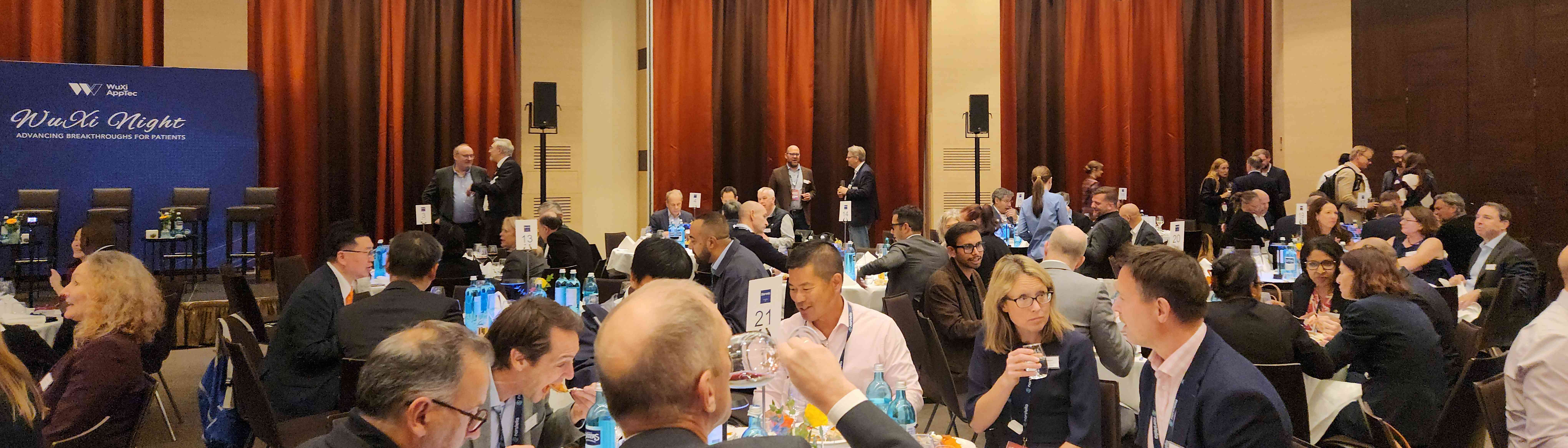
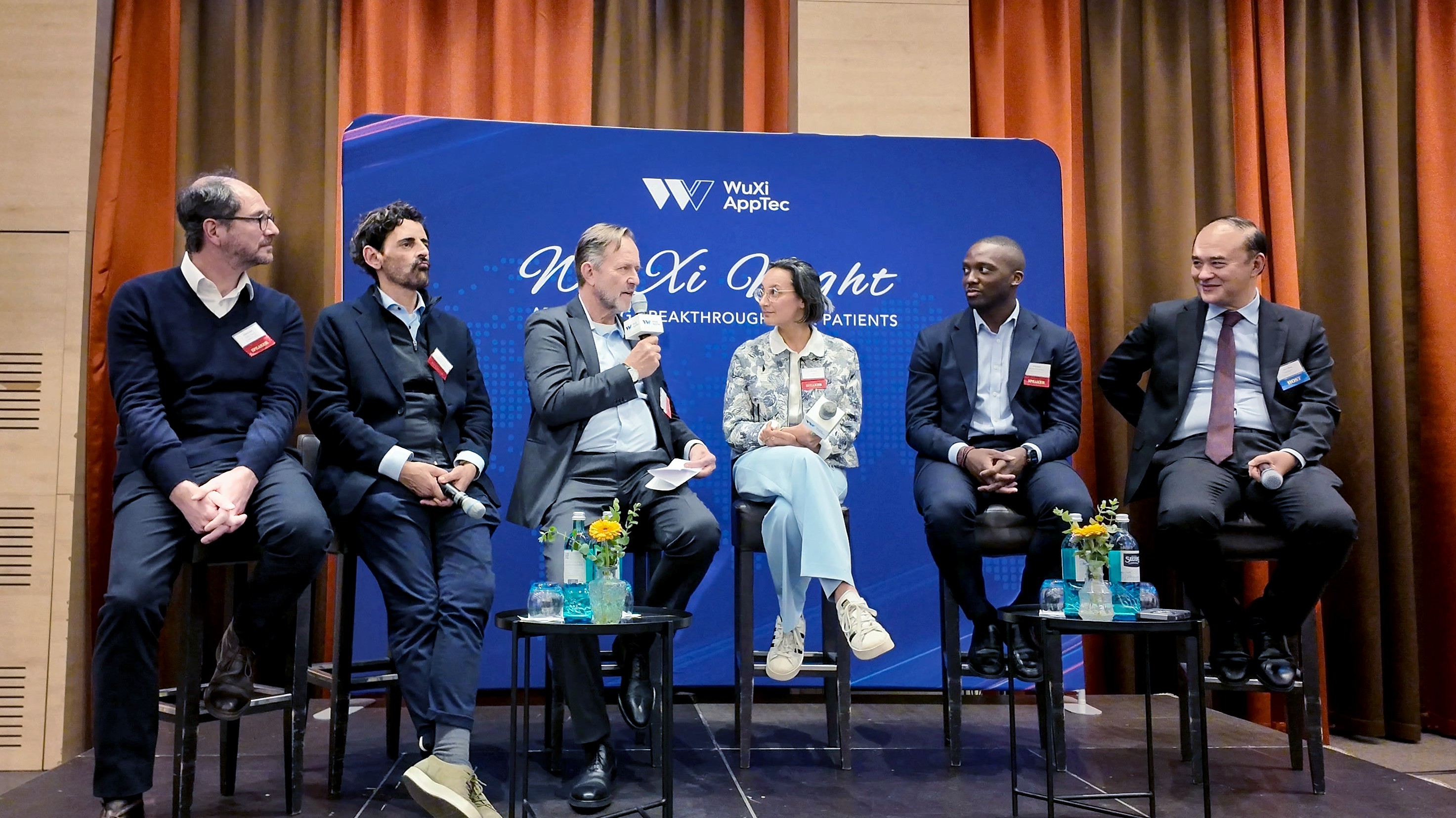
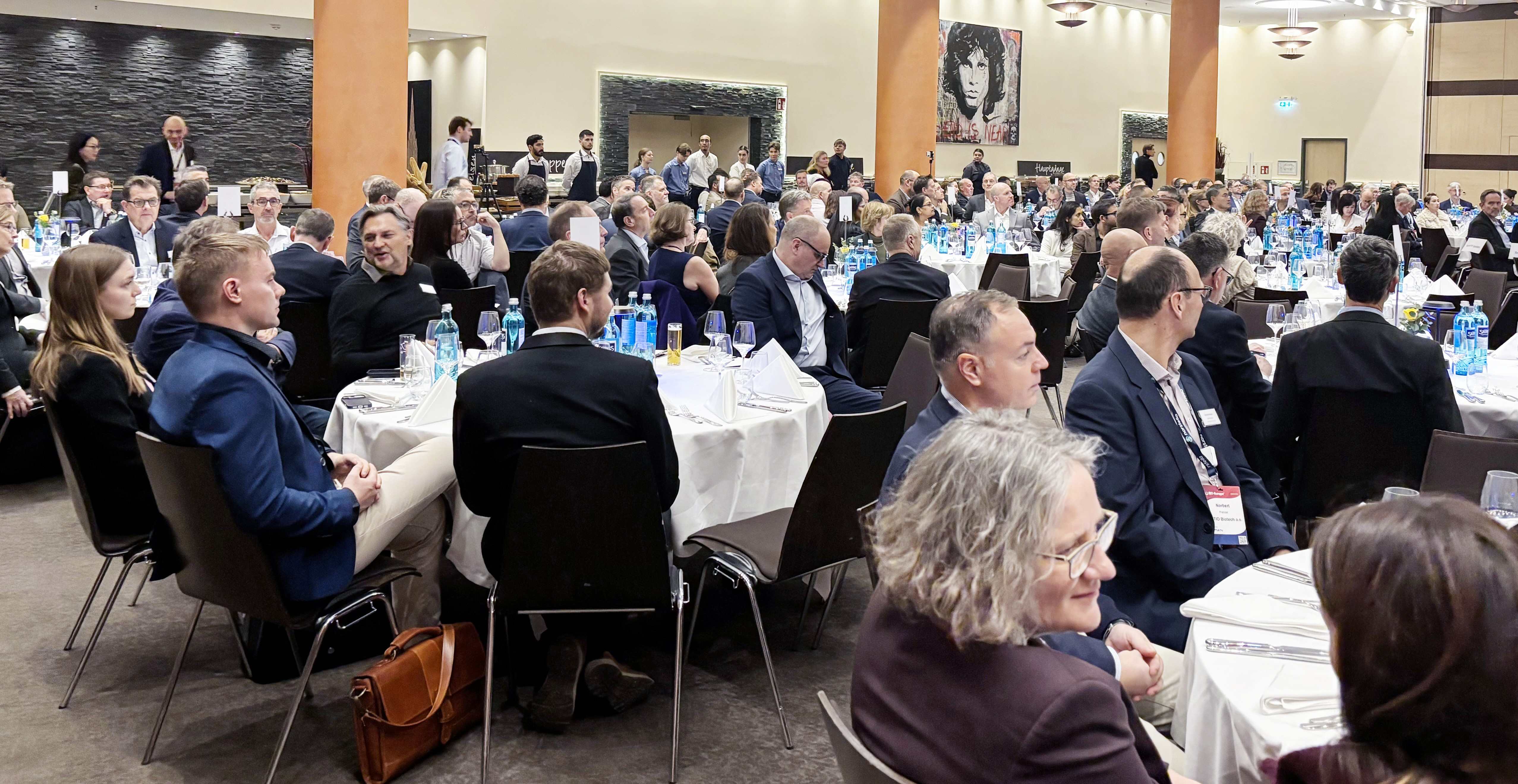
Building on its commitment to collaboration, WuXi AppTec continued its tradition of hosting WuXi Night alongside BIO-Europe this week, bringing together nearly 400 leaders in Cologne. In a panel discussion moderated by Dr. Ralf Huss, Managing Director of BioM, the speakers addressed a shared challenge: how can we help more great ideas become breakthroughs for patients?
For an ecosystem, continued success depends on its ability to evolve. The panelists highlighted three trends reshaping what innovators need to succeed:
As science advances and patient needs change, even the most established organizations must rethink the technologies, businesses, and approaches that once made them successful. Dr. Hakan Goker, Managing Director at M Ventures, reflected on Merck KGaA’s evolution from a pharmacy in Darmstadt into businesses spanning therapeutics, life science tools, and electronics. “They have maintained relevance to what the market needs over such long periods of time. So they had to innovate.”
Dr. Ruth Shah, Head of Bayer Co.Lab Berlin, described the same imperative through Bayer’s history of developing and divesting businesses. Remaining committed to a single technology or market, she argued, can prevent an organization from recognizing what it needs next. “No matter who you are as a company, or how big you are, you have to continue to innovate to survive as an organization. I would even be so bold as to say: evolve or die.”
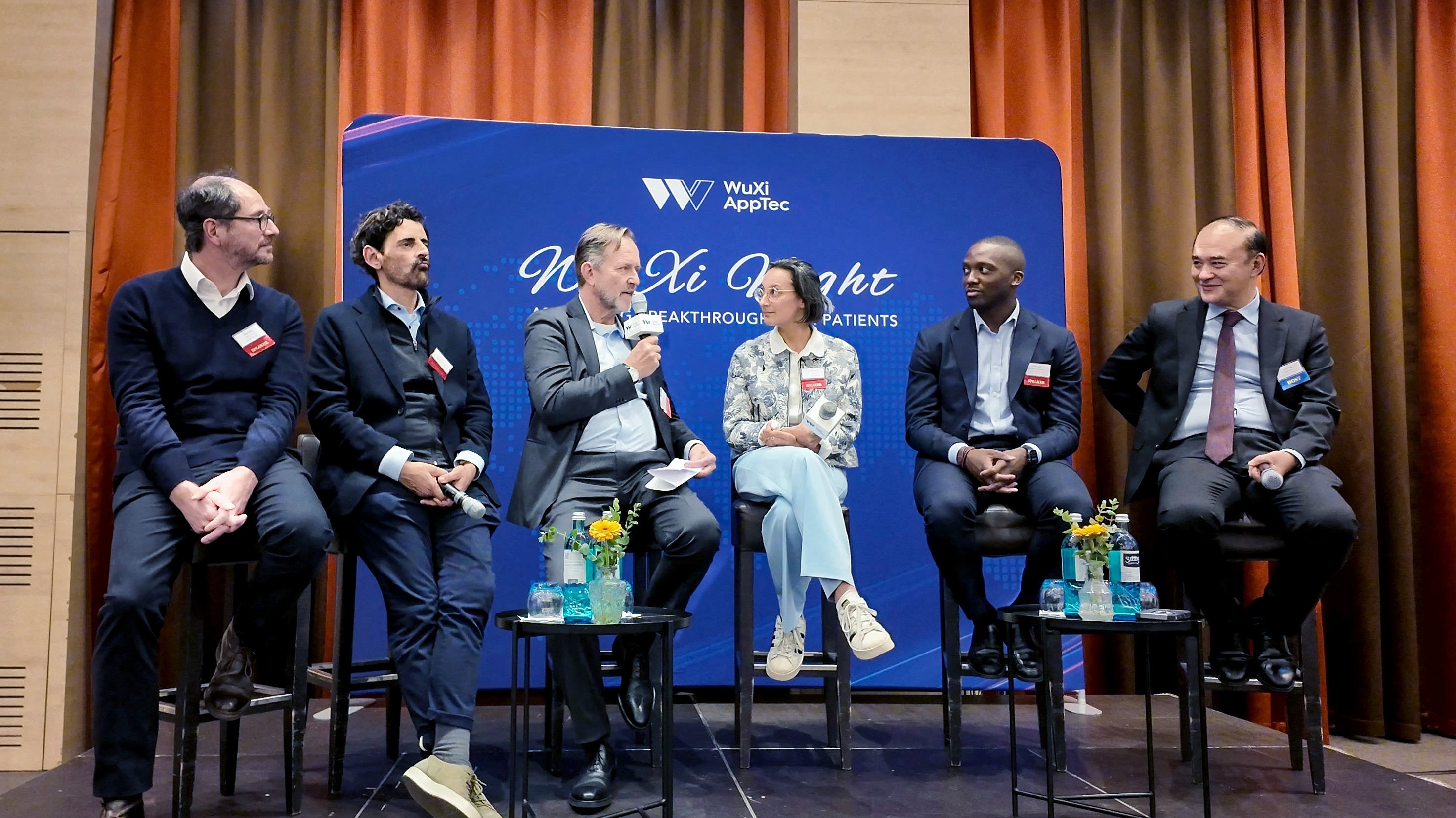
▲ From left to right: Rémi Droller, Managing Partner at Kurma Partners; Dr. Hakan Goker, Managing Director at M Ventures; Dr. Ralf Huss, Managing Director at BioM; Dr. Ruth Shah, Head of Bayer Co.Lab Berlin; Dr. Kola Lawal, Blackstone Life Sciences; and Dr. Steve Yang, Co-CEO of WuXi AppTec.
Investors and emerging biotechs are responding by building companies around distinctive scientific opportunities. Rémi Droller, Managing Partner at Kurma Partners, explained that early investment allows Kurma to connect academic discoveries with the teams and resources needed to develop them. “For the next wave, we need to find biology, and just to develop new compounds in new pathways,” he said.
New tools could help researchers identify and pursue those opportunities. Dr. Kola Lawal of Blackstone Life Sciences sees the potential for AI to improve the medicines emerging from research. The next questions are “how do we identify better drugs, and how do we improve the quality of the drugs that we’re now producing?”
The industry is responding through changes in business strategy, company creation, and research technology. But identifying a promising direction is only the beginning. Turning new biology and computational predictions into medicines requires better ways to develop and test ideas.
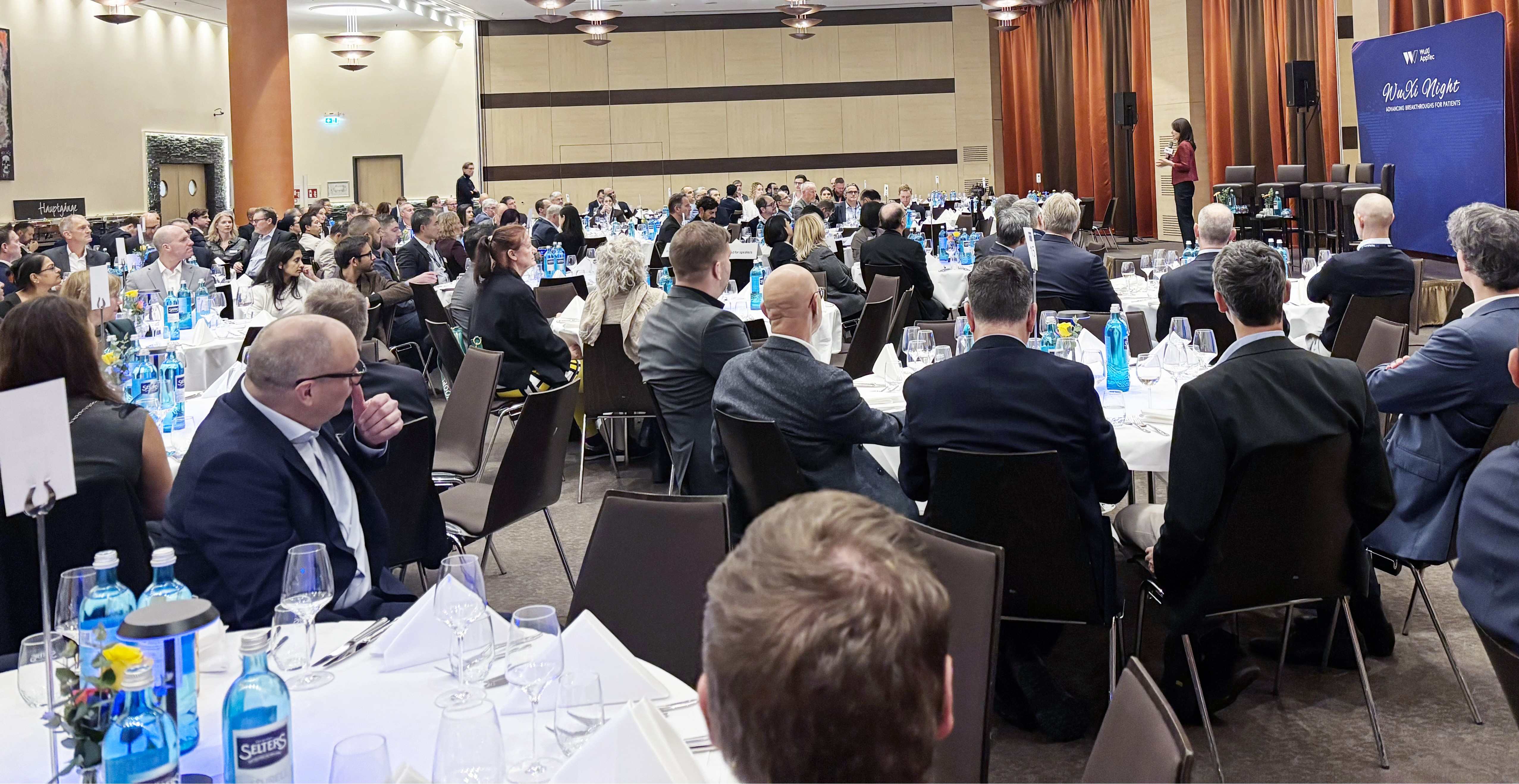
Moving a promising idea forward requires decisions about what to test, how to organize the work, and where to commit resources. The panelists explored how financing, development tools, and access to external expertise can help companies generate evidence and act on it more efficiently.
Capital can change the pace and scope of clinical development. Dr. Kola Lawal explained that a company advancing a promising asset may have several development opportunities but insufficient resources to pursue them together. Additional financing can allow studies to proceed concurrently, helping the company explore more of a medicine’s potential within the same period. “We can put capital to work so that you don’t have to run one phase 3, then apply—you can run five or six studies at the same time,” he said.
New technologies can also improve how development work is performed. Dr. Lawal described AI being used to draft regulatory documents for human review and analyze clinical-site data to identify more productive enrollment locations. These applications address specific tasks that influence how quickly studies can be prepared and conducted.
Beyond individual development tasks, better research tools could improve the process of identifying and evaluating drug candidates. Dr. Hakan Goker highlighted the potential of connecting computational technologies with physical machinery and experimental testing, supporting progress across small molecules, peptides, and other modalities. “The next piece of innovation will actually come through changing tools and technologies that are improving drug identification, discovery, and development,” he said.
The ability to coordinate external capabilities is also changing what an innovator can accomplish. “Today, a solo entrepreneur could orchestrate like a conductor in an orchestra—all the large models, all the different algorithms and agents,” Dr. Steve Yang said.
At WuXi AppTec's Investor Day in November, Dr. Steve Yang explained that drug discovery traditionally follows a cycle of design, make, test, and analyze (DMTA): researchers design a molecule, synthesize it, evaluate its properties through experiments, and analyze the resulting data to inform the next round of design. Today, AI-driven drug discovery (AIDD) and AI for Science are changing this cycle. Designs may come from human experts, large AI models, or AI agents. With these tools, researchers could generate more molecular designs and scientific hypotheses at greater speed.
Computational predictions, however, still need experimental validation. As Dr. Steve Yang noted: “The ‘make’ and the ‘test’ part of the wet lab will become potentially higher and higher in demand, as more and more models in the dry lab will be able to predict and generate new hypotheses.” WuXi AppTec’s wet-lab capabilities across chemistry, biology, and testing can complement AI tools, helping the cycle between computation and experimentation run more efficiently.
He cited an entrepreneur working with 11 external partners, including WuXi AppTec. Such a model allows a small team to draw on extensive capabilities without building every function internally. Its effectiveness depends on connecting the right expertise with the experiments and decisions a program requires.
Dr. Ruth Shah highlighted how international networks can help founders make those connections. Through Co.Lab, a startup can seek clinical expertise in one country, research contacts in another, and investors elsewhere. “We give them local roots, so we embed them very much in the city where they’re operating, but we give them global routes,” she said.
Together, these approaches offer practical ways to sustain momentum: finance studies around the evidence needed, improve development workflows, and connect teams with capabilities beyond their own organizations. As programs advance, keeping those activities coordinated becomes increasingly important—linking discovery experiments with the development and manufacturing work that follows.
Connecting these activities means ensuring that what teams learn in one stage informs the next. Findings from discovery can shape process development, while insights into synthesis, purification, and formulation can help researchers refine a candidate before it advances. As molecules become more complex, bringing that expertise together early becomes increasingly valuable.
WuXi AppTec’s integrated CRDMO platform puts this approach into practice, helping customers connect individual experiments and development decisions with the longer journey toward clinical studies and commercial supply.
For emerging companies, access to expertise and infrastructure across that journey is particularly valuable. A small team may have a distinctive scientific idea without the resources to establish every capability internally. An integrated platform can support its changing needs as the program advances, allowing the team to concentrate on the science and strategy driving it.
The purpose of integration ultimately returns to the question that opened WuXi Night: how can more great ideas become breakthroughs for patients? Scientific ambition needs partners who can help carry it forward through successive experiments, development decisions, and manufacturing challenges.
In closing remarks, WuXi AppTec Program Chair Dr. Hui Cai expressed optimism about the industry’s future and invited participants to continue building those connections: “The conversation on the stage comes to an end. I hope the conversation in the room is just beginning.”
As with the vision that became Cologne Cathedral, progress depends on people bringing their expertise together to make an idea real. In drug R&D, that shared effort has an urgent purpose: patients are waiting.