

- About WXPress
- WXPress is your window into the world of WuXi AppTec and our global partners.
- Sitemap
- Events
- Contact
- Please reach out with any business inquires.
- communications@wuxiapptec.com
© 2026 WuXi AppTec. All Rights Reserved.Privacy Policy

The treatment paradigm for Alzheimer’s disease (AD) is undergoing a significant shift. Historically, drug development focused largely on improving cognitive and neuropsychiatric symptoms. Today, as our understanding of AD biology continues to deepen, the emphasis is increasingly moving toward slowing or modifying disease progression. Two trends are emerging in parallel. First, the target landscape is broadening beyond the classic amyloid-beta (Aβ) pathway to include Tau pathology, neuroinflammation, immunomodulation, neurotransmitter receptors, and other mechanisms. Second, the ability to cross the blood–brain barrier (BBB) and achieve sufficient, sustained drug exposure in the brain is becoming increasingly important for translating these new mechanisms into viable therapies.
As a global enabler of pharmaceutical innovation, WuXi AppTec supports partners in developing innovative therapies for central nervous system (CNS) diseases through its integrated, end-to-end CRDMO platform. Within this platform, WuXi AppTec DMPK has established an integrated pharmacokinetic strategy to address a fundamental challenge in CNS drug development: enabling sufficient brain penetration while maintaining effective exposure. At the early stage, high-throughput in vitro models, including parallel artificial membrane permeability assay (PAMPA) and MDR1-MDCK cell systems, are combined with transporter studies and physicochemical profiling to efficiently identify compounds with brain penetration potential. At the in vivo stage, advanced techniques such as in situ brain perfusion and brain microdialysis are employed to quantitatively assess drug distribution and unbound concentrations in plasma, brain tissue, and cerebrospinal fluid, enabling accurate determination of key parameters such as the unbound brain-to-plasma partition coefficient (Kp,uu) and providing a true reflection of brain exposure.
In parallel, WuXi AppTec DMPK integrates pharmacokinetic data with physiologically based pharmacokinetic (PBPK) modeling, structural optimization, and transporter mechanistic studies to support cross-scale decision-making from molecular design to clinical translation. Through this comprehensive “tiered screening + multi-model validation + mechanism-driven optimization” approach, WuXi AppTec DMPK empowers partners to improve the predictability of CNS drug exposure, overcome BBB-related development challenges, and accelerate the advancement of innovative therapies toward the clinic.

Image source: 123RF
AD drug development has remained highly active in recent years. According to the recently published annual report Alzheimer’s Disease Drug Development Pipeline: 2026, as of January 1, 2026, 158 AD drugs were in clinical development across 192 clinical trials, representing increases of approximately 40% and 35%, respectively, compared with 2017.
More important than the growth in pipeline size, however, is the shift in research priorities.
For years, Aβ occupied a central position in AD drug development. Today, a growing number of candidates are directed at Tau pathology, neuroinflammation, immunomodulation, neurotransmitter receptors, and other mechanisms. Jeffrey Cummings, the report’s first and corresponding author, highlighted the shift with a simple comparison: a decade ago, roughly one-third of drugs in development targeted amyloid, whereas that proportion has now fallen to about 20%. Over the same period, the share of candidates targeting inflammation and immune pathways has increased from 6% to 20%.
Therapeutic goals are changing as well. Disease-targeting therapies now account for a major share of the AD pipeline, including 62 small-molecule drugs, generally orally administered compounds with molecular weights below 500 Da, and 54 biologics, such as monoclonal antibodies, antisense oligonucleotides, and vaccines. Symptom-directed therapies remain an important part of the landscape, including 29 candidates targeting cognitive impairment and 16 aimed at neuropsychiatric symptoms.
In other words, AD drug development is moving from a relatively concentrated target landscape toward multiple mechanisms being explored in parallel. Among these emerging directions, Tau pathology has become one of the most closely watched.
As the AD target landscape expands, the view that Tau could become the next major therapeutic target is gaining support from an increasing body of clinical evidence. From antisense oligonucleotides and passive immunotherapies to small molecules, multiple Tau-targeting strategies are entering proof-of-concept testing, while companies including Biogen, Novartis, and Eli Lilly and Company continue to expand their presence in the field.
One representative program is diranersen, an antisense oligonucleotide being developed by Biogen in collaboration with Ionis Pharmaceuticals.
Diranersen targets microtubule-associated protein Tau (MAPT) mRNA. By reducing MAPT mRNA, it lowers production of multiple Tau isoforms and thereby reduces intracellular and extracellular Tau levels. This differs from many Tau-targeted approaches that intervene after pathological Tau species have formed—for example, by clearing aggregates or blocking their propagation. Diranersen instead acts further upstream by directly reducing Tau production.
That mechanism is now being tested clinically.
At the 2026 Alzheimer’s Association International Conference (AAIC), Biogen presented updated data from the Phase 2 CELIA study. Across diranersen dose groups, total Tau levels in cerebrospinal fluid declined by 50% to 65%.
At 18 months, the strongest clinical benefit signals were observed in patients receiving 60 mg of diranersen by intrathecal injection once every six months. Compared with placebo, worsening on the Clinical Dementia Rating–Sum of Boxes (CDR-SB) was 0.54 points lower in this group, corresponding to a 26% slowing of clinical decline. Cognitive decline as assessed by the 13-item Alzheimer’s Disease Assessment Scale–Cognitive Subscale (ADAS-Cog13) and the Mini-Mental State Examination (MMSE) was slowed by 42% and 50%, respectively. Disease progression as measured by the modified Integrated Alzheimer’s Disease Rating Scale (iADRS) and the Alzheimer’s Disease Composite Score (ADCOMS) was slowed by 30% and 23%, respectively.
Based on the clinical and biomarker evidence accumulated across the Phase 1b and Phase 2 studies, Biogen plans to advance diranersen into confirmatory Phase 3 development.
If diranersen represents an upstream strategy aimed at reducing Tau production, another group of approaches is focused on what happens after Tau is produced—particularly its aggregation and spread.
Passive immunotherapies have made recent clinical progress. Eisai, for example, is conducting a Phase 2/3 trial of E2814 in combination with lecanemab; Bristol Myers Squibb is evaluating BMS-986446 (PRX005) in a Phase 2 study.
Other investigational strategies include Tau phosphorylation inhibitors, microtubule stabilizers, and active immunotherapies such as vaccines, although these approaches remain at relatively early stages of development.
Beyond Tau, another important shift in AD research is the growing recognition of inflammation and immune dysfunction as contributors to disease onset and progression.
Persistent neuroinflammation is an important feature of AD pathology, with microglia and astrocytes playing central roles. As understanding of the AD immune microenvironment deepens, therapeutic approaches targeting neuroinflammation are becoming increasingly diverse, with current strategies focused primarily on modulating microglial function and interfering with inflammatory signaling pathways.
Masitinib, developed by AB Science, is a tyrosine kinase inhibitor designed to modulate neuroinflammatory responses. In a previous Phase 2b/3 study in patients with mild-to-moderate AD, masitinib significantly slowed cognitive deterioration compared with placebo.
BioVie’s bezisterim (NE3107) takes a different approach, targeting both inflammation and metabolism. Its proposed mechanism includes reducing inflammatory signaling and improving glucose utilization, with the goal of supporting neuronal function. BioVie has previously evaluated bezisterim in Phase 2 and Phase 3 studies in AD and has stated that the initial findings support further clinical investigation.
Beyond inflammation, neurotransmitter signaling, immune regulation, and other mechanisms associated with AD pathology are also moving into clinical development.
AD is not driven by a single pathological process. Neurotransmitter imbalance, disrupted protein homeostasis, immune dysregulation, and metabolic changes interact in complex ways, helping explain why an increasing number of investigational therapies are moving beyond traditional Aβ- or Tau-directed approaches.
Among programs targeting neurotransmitter receptors and other mechanisms, Anavex Life Sciences’ blarcamesine activates the Sigma-1 receptor to regulate cellular homeostasis and protein-clearance pathways and has shown potential to slow cognitive decline. AriBio’s AR1001 targets PDE5, while Annovis’ buntanetap is designed to inhibit the production of multiple neurotoxic proteins simultaneously. Both AR1001 and buntanetap have reached Phase 3 clinical development.
Immunomodulation is also receiving increasing attention, although most programs remain in relatively early stages of clinical development.
For example, foralumab from Tiziana Life Sciences is designed to modulate T-cell function, while ImmunoBrain’s IBC-Ab002 explores transient activation of the peripheral immune system as a way to influence AD pathology. Both remain in early-stage clinical investigation.
From Aβ and Tau to neuroinflammation, neurotransmitter signaling, and immune mechanisms, the AD “target map” is clearly expanding. At the same time, the growing prominence of disease-modifying approaches suggests that research priorities are gradually shifting from managing symptoms toward intervening in the course of the disease itself.
But as more targets and new therapeutic modalities enter the clinic, a challenge common to virtually all CNS drug programs becomes increasingly important: Can the drug actually reach the brain and achieve sufficient exposure at its site of action?
That challenge is the blood–brain barrier.
The BBB is a vital physiological defense that protects the brain from potentially harmful substances in the circulation. For many therapeutic agents, however, it is also a formidable delivery barrier. This is particularly relevant for large molecules such as antibodies and nucleic acid therapeutics: even a compelling mechanism may have limited therapeutic potential if the drug cannot reach the brain in sufficient amounts.
As a result, innovation in AD drug development is no longer only about what to target. Increasingly, it is also about how to get the drug there.
Researchers are pursuing multiple strategies to deliver AD drug candidates more effectively to their intended sites in the brain.
Among the approaches attracting significant interest are receptor-mediated transcytosis (RMT), nanocarrier-based delivery systems, focused ultrasound (FUS) combined with microbubbles, and intrathecal or intracerebroventricular administration that bypasses the BBB and delivers therapeutics directly into the central nervous system.
These approaches take fundamentally different routes. Some exploit the BBB’s endogenous transport machinery, some temporarily increase BBB permeability, and others bypass the barrier altogether. But they are all trying to solve the same problem: enabling more drug to reach the brain in a controlled manner and achieve pharmacologically meaningful exposure.
Most biological macromolecules, including proteins, nucleic acids, and growth factors, cannot freely cross the BBB and therefore often depend on specific receptors expressed on brain endothelial cells to enter the CNS.
Receptors receiving particular attention include the transferrin receptor (TfR), lactoferrin receptor (LfR), and insulin receptor (IR). In AD, one important strategy uses protein engineering to combine therapeutic molecules with shuttle modules capable of recognizing these receptors, allowing the resulting construct to take advantage of receptor-mediated transport across the BBB.
TfR, for example, is naturally expressed on brain microvascular endothelial cells and participates in transporting iron-bound transferrin from the circulation into the brain.
Therapeutic macromolecules—including antibodies, enzymes, nucleic acids, and viral vectors—can be linked to modules that recognize TfR. Once the complex binds to the receptor, it can be taken up by brain endothelial cells, transported across the cell, and released into brain tissue. Such “brain shuttle” designs may substantially increase the efficiency with which systemically administered therapeutics reach the CNS.
This concept has already advanced into clinical testing.
Roche’s trontinemab uses a TfR1-mediated brain-delivery design. Early clinical results have shown relatively rapid reductions in amyloid PET signal at lower dose levels than those typically used with conventional anti-amyloid monoclonal antibodies.
The incidence of amyloid-related imaging abnormalities observed in these studies has also been lower than that reported with conventional IgG antibodies. One hypothesis is that TfR1-mediated delivery allows trontinemab to enter brain tissue more broadly through smaller TfR1-positive vessels, potentially reducing exposure around larger vessels with amyloid deposition. Trontinemab is currently being evaluated in two Phase 3 studies in patients with early AD.
Rather than exploiting transport mechanisms at the BBB, another approach is to bypass the barrier altogether.
Intrathecal administration delivers a therapeutic agent directly into the cerebrospinal fluid, allowing it to bypass the BBB. This route can be particularly useful for large-molecule therapeutics that have limited ability to enter the CNS after systemic administration.
Intrathecal delivery is becoming increasingly important in the development of nucleic acid therapeutics for AD. One of the more advanced candidates using this route is Alnylam’s mivelsiran (ALN-APP).
Mivelsiran is a C16-conjugated siRNA targeting amyloid precursor protein (APP) mRNA. Administered intrathecally, it is distributed within the CNS primarily via cerebrospinal fluid and is being developed for both Alzheimer’s disease and cerebral amyloid angiopathy (CAA).
An updated analysis from a Phase 1 study in patients with early-onset Alzheimer’s disease showed that some participants had received mivelsiran treatment for up to 30 months. In the highest-dose group, the mean maximum reductions from baseline in cerebrospinal fluid soluble amyloid precursor protein beta (sAPPβ) and Aβ42 were 89.9% and 70.2%, respectively.
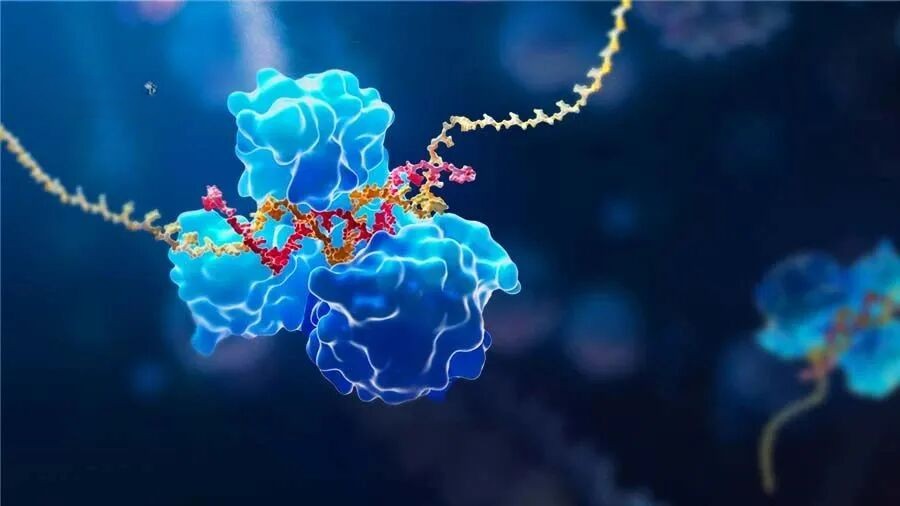
Another Alnylam siRNA program targeting MAPT mRNA to reduce Tau production also uses intrathecal administration. Its Phase 1 study was initiated in the fourth quarter of 2025.
Direct CNS administration, however, is not the only option. For programs that aim to retain peripheral dosing while increasing brain exposure, nanocarriers and focused ultrasound offer other possibilities.
Compared with conventional formulations, nanoparticle-based delivery systems can prolong the circulation time of certain drug molecules and may improve BBB penetration and distribution to disease-relevant regions of the brain.
Clinical translation of nanoparticle-based delivery in AD, however, remains relatively limited. One area of interest is the use of nanoparticles as carriers for intranasal administration. For example, a Phase 2 study in patients with AD is exploring nanoparticle-mediated intranasal delivery of an alpha-secretase modulator.
Focused ultrasound takes a different approach.
When low-intensity focused ultrasound is combined with microbubbles, it can temporarily increase BBB permeability in a defined region, creating a window through which larger therapeutic molecules may enter brain tissue. Because this effect can be localized, transient, and reversible, the approach is being investigated as a potentially useful method for improving brain drug delivery.
Magnetic resonance-guided focused ultrasound (MRgFUS) has consequently emerged as an area of interest in AD research, with studies exploring its potential to improve therapeutic delivery to the brain and influence the local pathological environment.
From RMT and intrathecal administration to nanocarriers and focused ultrasound, these technologies represent three fundamentally different strategies: using the BBB, bypassing the BBB, or temporarily modifying the BBB.
As these approaches mature, the central question in AD drug delivery is evolving from simply whether a drug can enter the brain to how much reaches the brain, where it goes, how long it remains there, and whether this can be achieved safely.
A review of today’s AD pipeline shows that change is occurring simultaneously at the level of disease biology and drug delivery.
On the biology side, AD drug development is no longer centered on a single pathological mechanism. From Aβ and Tau to neuroinflammation, immunomodulation, and neurotransmitter receptors, a more diverse set of targets is giving rise to a broader range of therapeutic strategies, while disease-modifying approaches are increasingly becoming a central focus of development.
On the delivery side, identifying the right target is not enough—particularly for antibodies, nucleic acid therapeutics, and other emerging modalities. Drug candidates must also cross the BBB, reach the relevant brain regions, achieve sufficient exposure, and remain at the site of action long enough to exert their intended effects. Advances in approaches such as RMT, intrathecal administration, and focused ultrasound may enable more candidates to overcome this long-standing barrier.
As innovation in therapeutic targets and drug delivery progresses in parallel, the search for new Alzheimer’s disease treatments is moving beyond isolated advances toward increasingly integrated solutions.