

- About WXPress
- WXPress is your window into the world of WuXi AppTec and our global partners.
- Sitemap
- Events
- Contact
- Please reach out with any business inquires.
- communications@wuxiapptec.com
© 2026 WuXi AppTec. All Rights Reserved.Privacy Policy
Drug discovery does not move forward through isolated steps. A promising biological insight must be translated into validated assays, high-quality starting points, optimized molecules, preclinical evidence, manufacturable API, suitable formulation, analytical methods, and clinical-ready material. The faster these elements can be connected, the more efficiently an early-stage program can advance.
Last month, an open house at WuXi AppTec’s San Diego site offered a closer look at how this connection can work in practice. With Biology and Chemistry capabilities co-located, the site supports a more integrated path from discovery research to IND and early clinical development. Rather than focusing only on individual capabilities, the San Diego platform reflects a broader model: bringing scientific insight, operational execution, and development readiness closer together to help partners move programs forward with greater speed and confidence.
For drug discovery programs, early scientific decisions often determine how efficiently a molecule can move forward. Target biology, assay design, hit identification, in vivo model selection, and translational strategy are connected decisions that shape the quality and confidence of a preclinical program.
At WuXi AppTec’s San Diego site, the Biology team supports this early discovery continuum through an integrated biology platform designed to help partners advance programs from target discovery through candidate selection. With more than 100 scientists, the site provides discovery and research support across key stages, including target discovery, hit finding, hit-to-lead, lead optimization, preclinical research, and IND-enabling preparation.
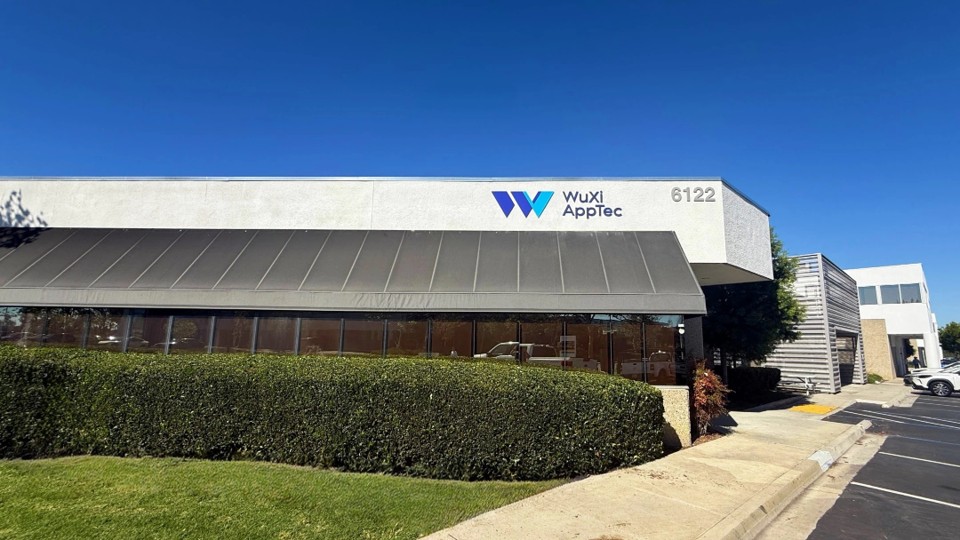
WuXi Biology San Diego Site
A key strength of the site is its end-to-end biology support across disease areas. For example, its immunology team has extensive experience in both innate and adaptive immune responses, supporting programs that require deep disease biology and relevant translational models. The immunology platform has successfully supported multiple preclinical programs, ranging from molecular glues to T-cell engagers for autoimmune diseases, helping them reach key milestones such as global collaborations and acquisitions.
The site’s in vivo pharmacology capabilities further extend this support into preclinical efficacy testing. Validated disease models in oncology, central nervous system disorders, fibrosis, metabolism, inflammation, and autoimmune diseases help partners evaluate therapeutic concepts in biologically relevant systems before advancing toward development decisions.
While the Biology team supports the early scientific path from target discovery to candidate selection, the San Diego site Chemistry staff extends that support into early-phase clinical development.
With discovery biology and early-phase chemistry support available at a single site, client programs move more efficiently across critical transition points without repeated multi-site transfers. This setup can help reduce timelines to IND, lower operational risk, and control cost by improving coordination across scientific, analytical, formulation, and supply-related activities.
In San Diego, integrated early-phase clinical development services cover API, formulation, analytical, and clinical supply support, supporting cGMP manufacturing with great flexibility. This allows teams to connect early molecule design and optimization with the practical requirements of producing, characterizing, formulating, and supplying material for early clinical studies.
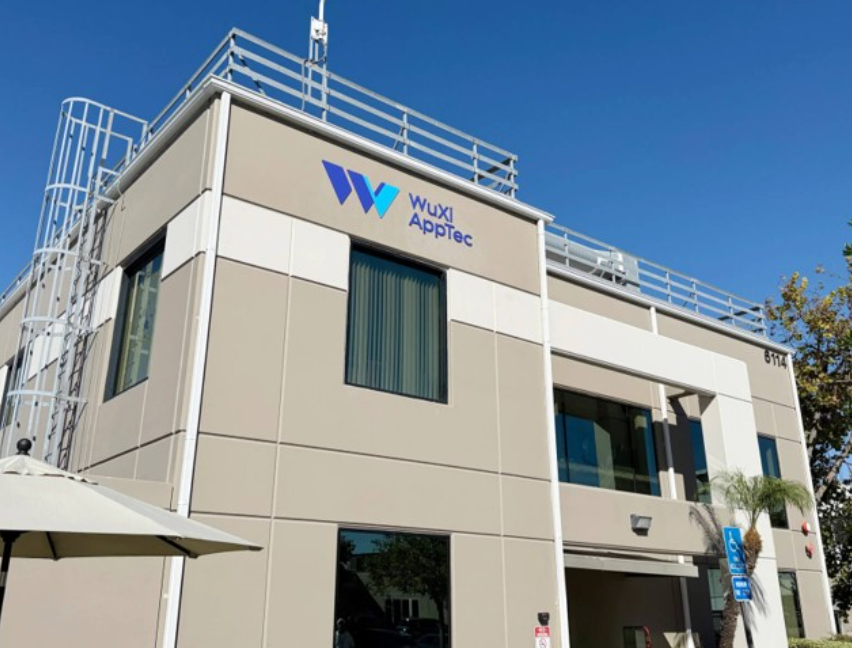
WuXi STA San Diego Site
For API production, the site is equipped to support flexible cGMP manufacturing at early clinical scale. The range of capabilities provides flexibility for different chemistries, scales, and development needs.
Formulation capabilities further strengthen the site’s early clinical development support. The San Diego site offers powder-in-capsule production capability that can provide a practical and efficient formulation path when speed, material efficiency, and flexibility are especially important.
The value of an integrated early-phase development platform becomes especially clear when a program faces compressed timelines. In one case, a U.S. biotech company needed expedited manufacturing support to prepare for Phase I clinical development. The project required not only GMP API production, but also drug product manufacturing, analytical development, release testing, and stability support within a tightly coordinated timeline.
WuXi AppTec’s solution was to integrate API and drug product manufacturing within the same building. The project began with GMP API manufacturing and release, which was completed within 10 weeks. During this period, analytical method development and validation for both API and drug product were advanced in parallel, rather than treated as downstream activities. This parallel execution helped accelerate later release steps and reduced the risk of timeline delays.
Once the API was ready, the team moved into clinical trial material manufacturing and release. Within 6 weeks, WuXi AppTec produced 7,000 capsules in two dosage strengths. The workflow allowed drug product activities to follow directly from API release without the added complexity of transferring materials, methods, or documentation across multiple external sites.
After completion of clinical material manufacturing, the program proceeded through a one-month stability test, supporting IND readiness within 5 months.
For early-stage biotech companies, this type of support can be particularly important. Phase I preparation often requires rapid execution with limited material, limited time, and evolving development needs. By connecting API manufacturing, formulation, analytical development, clinical supply, and quality oversight within one coordinated platform, WuXi AppTec helped reduce complexity and support a faster path toward IND readiness.
The San Diego site shows how integration can change the way early-stage programs move forward. When on-site biology discovery capabilities are combined with chemistry early-phase clinical development services, the platform provides a more connected path from biological insight to clinical-ready material.
This connection matters because the transition from discovery research into IND-enabling and early clinical stages is often where programs encounter friction. Scientific decisions, API supply, formulation strategy, analytical methods, quality requirements, and clinical material timelines all need to come together. When these activities are fragmented across multiple sites or partners, programs may face added handoffs, longer timelines, and higher operational risk.
The broader significance of the San Diego site is therefore not only its individual technical capabilities, but the way those capabilities are organized. By bringing discovery biology, API manufacturing, formulation, analytical support, and early clinical supply closer together, the site is designed to help innovators make faster decisions, reduce unnecessary transfers, and move more efficiently toward IND and early clinical development.