


- About WXPress
- WXPress is your window into the world of WuXi AppTec and our global partners.
- Sitemap
- Events
- Contact
- Please reach out with any business inquires.
- communications@wuxiapptec.com
© 2026 WuXi AppTec. All Rights Reserved.Privacy Policy
Conjugated therapeutics combine a targeting component with a functional payload to deliver treatment more selectively to diseased cells or tissues. The targeting component may be an antibody, peptide, small molecule, or another ligand, while the payload may be a cytotoxic agent, radionuclide, protein degrader, or other therapeutic cargo.
ADCs remain the most clinically advanced class, but they no longer define the entire field. Bispecific ADCs, dual-payload conjugates, degrader-antibody conjugates, and RDCs are expanding the range of targets, payloads, and delivery strategies that can be brought together within a single therapeutic construct.
That shift was particularly visible in Q2 2026. ADCs moved further into first-line and early-stage treatment, the first bispecific ADC received regulatory approval, and several major transactions centered on linker-payload systems and emerging conjugate formats. Investment in RDCs also remained active, with funding directed not only toward clinical programs but also toward isotope supply and manufacturing capacity.
For much of their history, ADCs were used after patients had exhausted several other treatment options. That pattern is beginning to change. During Q2 2026, regulatory decisions expanded their use into first-line treatment, earlier-stage disease, and rare tumor indications.
First-Line Treatment Expansion
Two TROP2-directed ADCs made regulatory progress in first-line triple-negative breast cancer. One was approved for patients who were not candidates for PD-1/PD-L1 inhibitor therapy. The other received approvals for first-line use both as monotherapy and in combination with an immune checkpoint inhibitor for biomarker-selected patients.
The supporting Phase 3 data were clinically meaningful. In one study, median progression-free survival was 9.7 months with ADC monotherapy and 6.9 months with chemotherapy. In another, an ADC-immunotherapy combination achieved median progression-free survival of 11.2 months, compared with 7.8 months for the control regimen.
These results place ADCs alongside established first-line options rather than reserving them for later use. They also strengthen the rationale for combining targeted payload delivery with immune checkpoint blockade.
Earlier-Stage Disease Management
ADCs also moved into neoadjuvant and adjuvant treatment settings for HER2-positive early breast cancer. The significance goes beyond another label expansion: it marks a shift from using ADCs primarily to control advanced disease toward incorporating them into treatment given with curative intent.
Rare Tumor Indications
A CD123-directed ADC also received approval for the treatment of a rare hematologic malignancy. For small patient populations with few treatment choices, pairing a selective target with a potent payload may offer an especially valuable therapeutic approach.
Bispecific ADCs and New Linker-Payload Strategies Gain Momentum
Q2 2026 highlighted not only changes in where ADCs are used, but also how their molecular design continues to evolve. The first bispecific ADC approval, new late-stage data, and active financing all pointed to growing interest in dual-antigen recognition and more differentiated payload systems.
Bispecific ADCs Reach Regulatory Validation
The first approved bispecific ADC targets both EGFR and HER3. In the same quarter, Phase 3 studies reported positive results for this ADC in previously treated triple-negative breast cancer and recurrent or metastatic esophageal squamous cell carcinoma.
By recognizing two tumor-associated antigens rather than relying on one, a bispecific ADC may improve binding and internalization, help address uneven target expression within a tumor, and increase selectivity when both antigens are present. More than 40 bispecific ADCs have entered clinical development, with EGFR/HER3 and EGFR/c-MET among the most closely watched target pairs.
Investment is following that clinical and technological progress. A $137 million Series B financing, for example, supported a platform designed to recognize receptor co-complexes on tumor cells and promote selective internalization.
Linker and Payload Innovation
Developers are also rethinking what ADCs carry and how those payloads are attached. One acquisition provided access to a clinically validated linker-payload system designed to generate a homogeneous conjugate with a high drug-to-antibody ratio. Another transaction focused on ADCs that deliver two payloads with different mechanisms of action.
Dual-payload ADCs are intended to address multiple tumor cell states and reduce the risk that resistance to a single payload will undermine treatment. At the same time, improvements in linker stability, conjugation control, release kinetics, and drug-to-antibody ratio are making the entire conjugate—not just the antibody or toxin—the unit of design.
Degrader-Antibody Conjugates
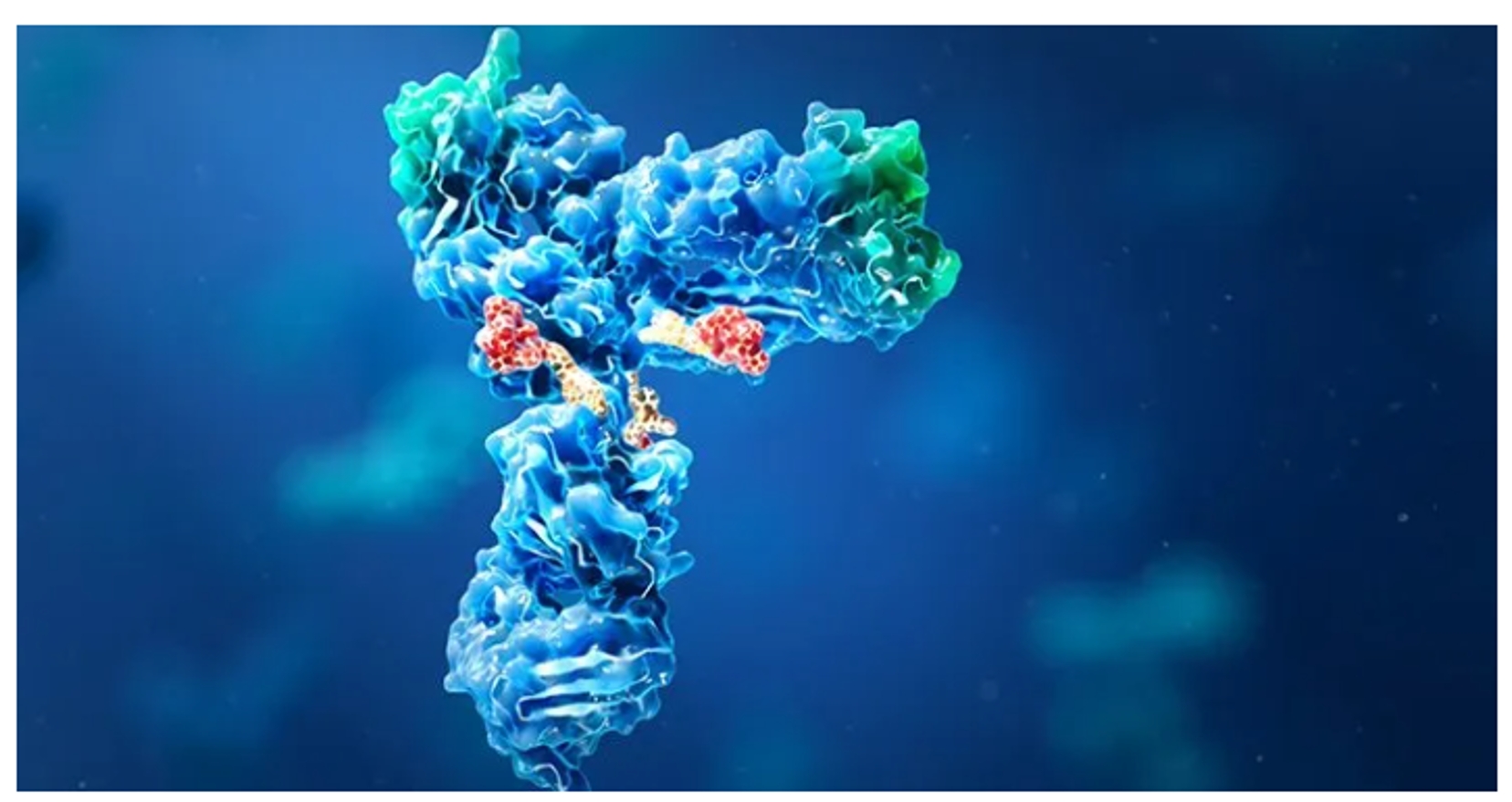
A collaboration valued at more than $1 billion focused on degrader-antibody conjugates. These molecules use an antibody to deliver a protein-degrading payload to selected cells or tissues. More selective delivery could reduce exposure in normal tissues and potentially widen the therapeutic window of highly active degraders.
RDC Financing Supports Isotope Innovation and Manufacturing Capacity
Investment in RDCs remained active in Q2 2026, but funding was not limited to individual drug candidates. Capital also flowed into isotope production, theranostic platforms, and the specialized infrastructure required to develop and supply radioactive medicines.
Alpha-Emitter Programs and Isotope Supply
One company raised $150 million, including about $109 million in equity and $41 million in debt. The proceeds were intended to advance actinium-225 programs and expand good manufacturing practice (GMP)-grade isotope manufacturing capacity.
The financing highlights a practical constraint in the field. A promising targeting ligand is not enough if the isotope cannot be produced, handled, and supplied reliably. RDC development therefore requires manufacturing and supply-chain planning earlier than many conventional drug programs.
Theranostic Platforms Continue to Expand
A company developing copper-isotope radiotheranostic programs extended its Series B financing to CHF 105 million, while another targeted radiopharmaceutical developer raised nearly RMB 400 million. Both financings support approaches that pair diagnostic imaging with targeted therapy, bringing patient selection and treatment delivery more closely together.
Alternative Conjugate Delivery Systems
Financing of up to $140 million also supported a phospholipid drug conjugate platform designed to deliver iodine-131 to cancer cells. The company's lead clinical program is being studied in several hematologic malignancies and has received multiple expedited regulatory designations.
Complex conjugates pose a different set of preclinical questions from conventional small molecules or biologics. For an ADC, measuring the plasma concentration of a single analyte may reveal only part of the picture. Researchers may need to follow total antibody, conjugated antibody, free and conjugated payload, changes in drug-to-antibody ratio, and payload-related metabolites over time. Linker stability, payload release, tissue distribution, and biotransformation studies can then help relate systemic exposure to pharmacology and safety.
WuXi AppTec has established dedicated DMPK capabilities for ADCs that combine in vitro stability and payload-release studies with ADME and PK studies, multi-analyte bioanalysis, metabolite identification, and radiolabeled studies. The platform can assess total antibody, conjugated antibody, free payload, and conjugated payload, as well as changes in drug-to-antibody ratio. ADC stability and payload release can also be evaluated in biological matrices and test systems including blood, plasma, serum, lysosomes, liver S9, liver homogenates, and tumor cells.
Bioanalysis is particularly important because the individual components of a conjugate may follow different concentration-time profiles. Ligand-binding assays and mass spectrometry-based approaches can be used together to characterize the intact conjugate and its constituent species in biological matrices, providing a fuller view of exposure than a single-analyte measurement. WuXi AppTec also applies LC-MS/MS approaches to quantify major ADC-related forms, including total antibody, conjugated antibody, and free payload, in preclinical and clinical studies.
Radiopharmaceuticals and radionuclide conjugates raise additional questions. Developers need to understand not only whether a targeting molecule reaches the intended tissue, but also how radioactivity is distributed and how long target and non-target tissues remain exposed to radiation. WuXi AppTec's molecular imaging services support radiopharmaceutical research spanning radiolabeling, biodistribution, dosimetry, and other preclinical studies. For peptide receptor radionuclide therapies and related peptide-radionuclide conjugates, WuXi AppTec's DMPK platform has also developed metabolite identification approaches to characterize peptide degradation and potential radionuclide dissociation, both of which may influence efficacy and off-target radiation exposure.
These studies address a central question in conjugated therapeutic development: what happens to the complete molecular system after it enters a biological environment? Bringing together DMPK, multi-analyte bioanalysis, biotransformation studies, radiolabeled ADME, molecular imaging, and safety assessment can provide a more complete understanding of in vivo behavior and help identify development risks before clinical testing.
Q2 2026 underscored how quickly the field is evolving. ADCs are moving into first-line and early-stage treatment, while bispecific ADCs have now crossed an important regulatory threshold.
At the same time, innovation is spreading across the entire conjugate. Linkers, conjugation methods, dual-payload designs, protein-degrading cargos, targeting ligands, and radionuclides are all becoming areas of differentiation. Each offers new possibilities, but each also adds variables that developers need to understand and control.
That makes preclinical characterization increasingly important. As new conjugate formats emerge, questions around stability, payload release, biotransformation, tissue distribution, exposure, and safety will become even more central to development. WuXi AppTec will continue to leverage its integrated CRDMO platform to support global partners advancing conjugated therapeutics toward the clinic.
What are conjugated therapeutics?
Conjugated therapeutics combine a targeting component with a functional payload so that treatment can be delivered more selectively to particular cells, tissues, or disease microenvironments. Examples include antibody-drug conjugates (ADCs), radionuclide drug conjugates (RDCs), antibody-oligonucleotide conjugates (AOCs), peptide-drug conjugates (PDCs), and other ligand-payload combinations.
Why are conjugated therapeutics important for patients?
Conjugated therapeutics are designed to combine selective targeting with the activity of a therapeutic payload. Depending on the modality, this approach may concentrate treatment in specific cells or tissues, limit exposure elsewhere, or make it possible to deliver payloads that would otherwise be difficult to use effectively.
Why are conjugated therapeutics more difficult to develop than conventional drugs?
A conjugated therapeutic contains multiple components that influence one another, including the targeting ligand, linker, payload, and conjugation site. Changes to one component can affect stability, exposure, payload release, tissue distribution, potency, safety, and manufacturability. Multiple molecular species may also emerge in vivo as the conjugate distributes and undergoes biotransformation.
Why do conjugated therapeutics require specialized DMPK and bioanalysis?
Unlike many conventional drugs, a conjugated therapeutic cannot always be characterized adequately by measuring a single analyte. ADC studies, for example, may need to quantify total antibody, conjugated antibody, free and conjugated payload, drug-to-antibody ratio, and payload-related metabolites. Combining these measurements with stability, biotransformation, PK, and tissue-distribution studies can provide a more complete understanding of how the intact conjugate and its components behave in vivo.
What additional preclinical studies are important for radiopharmaceuticals and RDCs?
Radiopharmaceutical development requires characterization of both molecular targeting and the biodistribution of radioactivity. Depending on the program, preclinical studies may include radiolabeling, pharmacology, biodistribution, molecular imaging, dosimetry, pharmacokinetics, metabolism, and safety assessment. Together, these studies help determine whether radioactivity reaches the intended tissues and characterize exposure in both target and non-target organs.