- About WXPress
- WXPress is your window into the world of WuXi AppTec and our global partners.
- Sitemap
- Events
- Contact
- Please reach out with any business inquires.
- communications@wuxiapptec.com
© 2026 WuXi AppTec. All Rights Reserved.Privacy Policy
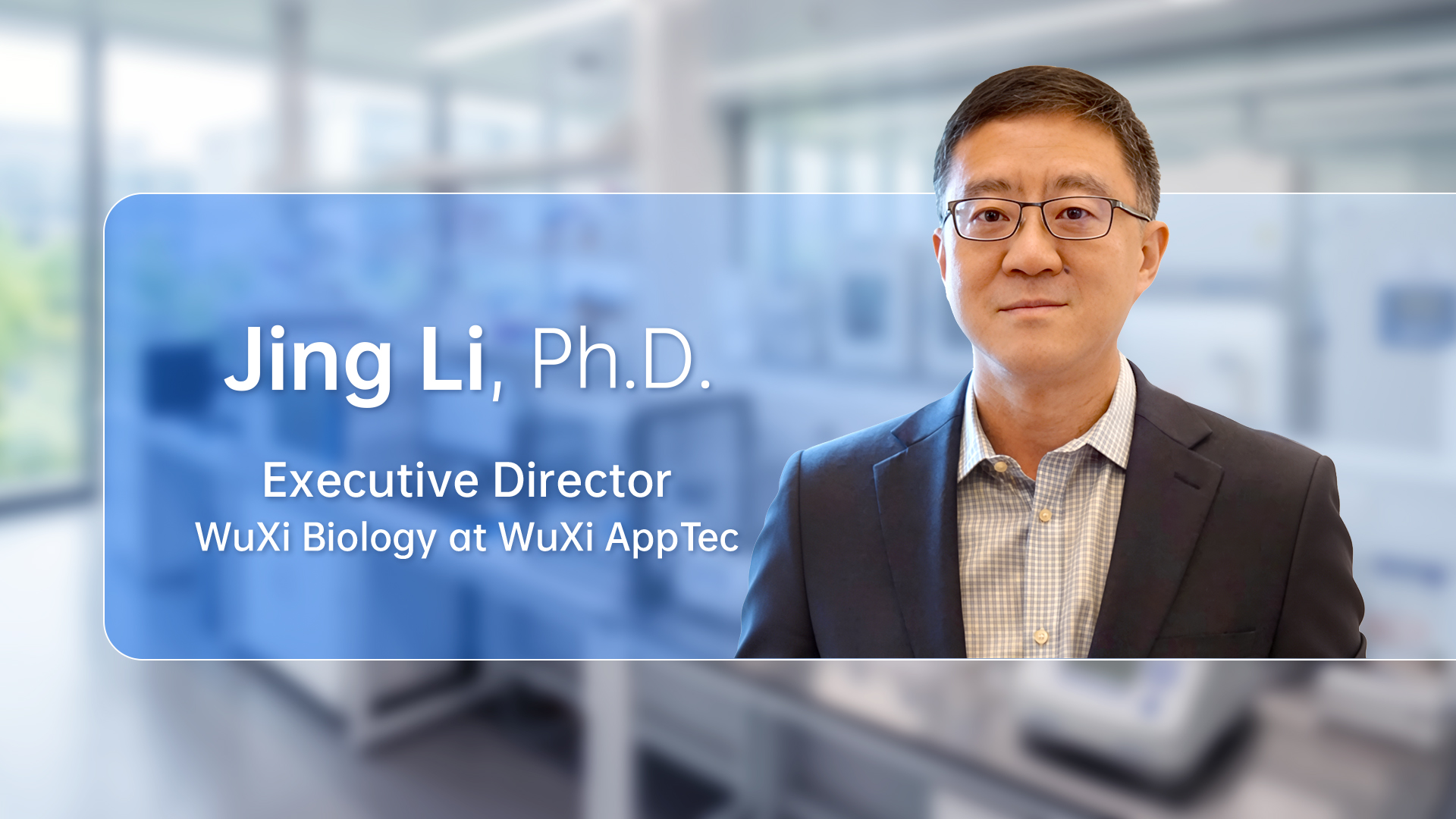
Autoimmune drug discovery is moving toward precision, immune reset, and durable remission.
Autoimmune drug discovery is entering a transformative phase. After decades of progress driven by targeted cytokine and receptor blockade therapies, the field is now shifting its focus from modulating individual pathways toward reprogramming the broader immune network, leveraging patient-specific biology, and pursuing durable immune reset.
Therapeutic approaches once associated primarily with oncology, including T-cell engagers (TCEs), cell therapies, and other next-generation modalities, are now being repurposed for autoimmune diseases, unlocking unprecedented therapeutic potential.
Yet these advances also introduce critical challenges, explained Dr. Jing Li, executive director at WuXi Biology, a segment of WuXi AppTec: “How do we identify the right patient subpopulations? How can we develop in vitro and in vivo models that more faithfully recapitulate human immune complexity? And how do we translate promising mechanistic insights into therapies that are not only efficacious but also safe and sustainable for long-term use?”
In this interview with Technology Networks, Li discusses the evolution of autoimmune drug discovery, highlights persistent translational gaps, and outlines the capabilities required to enable the next generation of immunotherapies.
Across the many autoimmune drug discovery programs you have worked with, what shifts are you seeing in the field? Which emerging therapeutic approaches are gaining momentum, and where do you see the most important unmet needs?
Autoimmune diseases represent a growing global health burden, driven by rising incidence and prevalence rates. Through continuous research efforts, our understanding of immune dysregulation has advanced in parallel.
“This deepened knowledge has driven a paradigm shift over the last few decades: moving away from broad-spectrum immunosuppression toward precision medicine that targets specific cytokines, immune receptors, and cellular pathways,” Li explained.
According to Li, one of the most interesting developments is the convergence of therapeutic strategies across distinct therapeutic areas. Modalities initially developed largely in oncology, such as antibody-drug conjugates (ADCs), TCEs, and engineered cell therapies, are now being repurposed for autoimmune diseases.
However, despite significant progress, a critical unmet need remains, Li cautioned. “While most current therapies can control symptoms and reduce disease activity, they typically require chronic treatment and fail to restore durable immune tolerance or selectively eliminate pathogenic immune cells. Furthermore, a subset of patients exhibits inadequate responses, develops resistance, or suffers from refractory disease,” he said.
Consequently, strategies aimed at achieving an “immune reset” are generating significant interest. Ex vivo CAR T-cell therapies have provided compelling proof-of-concept that deep depletion of pathogenic immune cell populations can induce prolonged, treatment-free remission in certain severe autoimmune diseases, Li explained. Meanwhile, emerging in vivo CAR approaches promise to enhance scalability and accessibility.
“Broadly, the paradigm is shifting: we are moving beyond lifelong disease management toward restoring durable immune tolerance and achieving long-term remission off therapy,” he said.
Autoimmune therapeutic shifts:
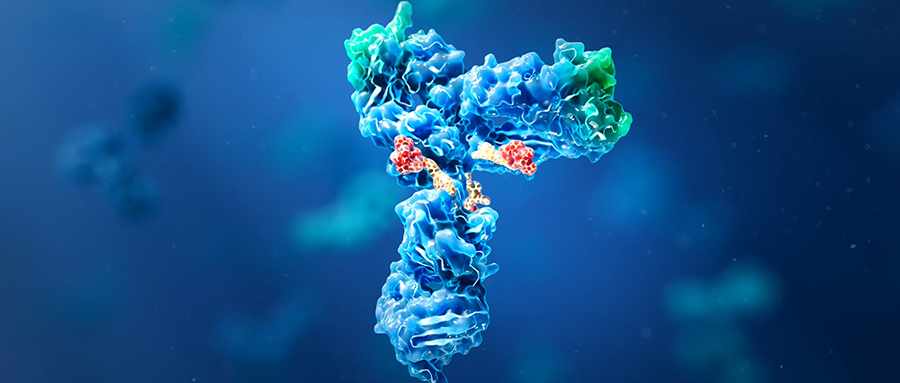
Antibody–drug conjugates, an oncology-derived modality, are increasingly being explored in autoimmune disease.
Historically, autoimmune diseases were often approached as disorders driven by individual pathways or discrete targets. Today, the focus has shifted toward immune networks and system-level regulation. How is this paradigm shift reshaping drug discovery in autoimmune disease?
According to Li, the evolution toward pathway- and target-specific therapies has fundamentally transformed the standard of care. TNF-α inhibitors in rheumatoid arthritis, he explained, are a classic example, followed by therapies targeting pathways such as IL-17, IL-23, and IL-4/IL-13. These advances demonstrated that identifying and selectively modulating key immune pathways can produce substantial clinical benefit.
“At the same time, we have learned that autoimmune diseases rarely result from a single abnormal pathway or target. Instead, they are driven by complex, interconnected networks involving multiple immune-cell populations, cytokines, receptors, and feedback mechanisms,” Li said. Moreover, the same clinical diagnosis can also reflect different underlying biology from one patient to another.
This has spurred innovations in multi-target treatments. A notable example, according to Li, is an investigational, once-monthly subcutaneous injection, trispecific antibody targeting IL-4, IL-13, and TSLP, which has entered late-stage clinical development for moderate-to-severe atopic dermatitis, asthma, and chronic obstructive pulmonary disease.
However, greater biological breadth also brings greater complexity. “Unlike oncology, where more aggressive intervention may sometimes be acceptable, many autoimmune diseases require treatment over years or even decades. Therefore, treatment-related adverse events, including opportunistic infections, organ toxicities, and secondary malignancies, must be rigorously monitored and managed,” Li explained.
Consequently, next-generation autoimmune drug discovery demands a deeper understanding of immune networks, advanced translational models, and technologies that enable precise and controllable interventions.
Key shifts in autoimmune drug discovery:
As autoimmune diseases are recognized as biologically heterogeneous, how can more precise patient stratification improve drug discovery and clinical development?
As in oncology, autoimmune therapy is rapidly advancing toward precision medicine, with greater emphasis on identifying which patients are most likely to benefit from a specific mechanism, stated Li. Ultimately, the goal is to achieve the right degree of immune modulation, in the right cell populations, for the right patients.
An investigational anti-TL1A monoclonal antibody exemplifies this approach. “It targets pathways involved in both inflammation and fibrosis in inflammatory bowel disease, and recent Phase 3 data showed that patients with moderately to severely active ulcerative colitis achieved clinical remission. Furthermore, earlier studies suggested that TNFSF15-related biomarkers could help identify patients with a higher probability of therapeutic response, although these findings require further validation in larger, more diverse cohorts,” said Li.
He emphasized that this trend underscores an important direction for the field: integrating biomarkers, molecular profiling, and underlying disease mechanisms earlier in drug discovery and development.
“This proactive approach can help define more responsive patient subgroups, refine clinical trial design, and ultimately increase the probability of developing successful therapies,” he added.
Advancing patient stratification:
What are the biggest challenges in preclinical modeling of human autoimmune disease, and how should model development evolve as therapies become more complex?
As next-generation therapies, including bispecific and trispecific antibodies, CAR T, and in vivo CAR, advance into autoimmune disease, there is growing demand for robust preclinical models that faithfully recapitulate the human immune system.
Li stated that the primary challenge is that current humanized models face inherent limitations. These include graft-versus-host disease, incomplete or heterogeneous immune reconstitution, donor-to-donor differences, and incomplete persistence or function of certain immune-cell populations.
“Disease modeling introduces another layer of complexity, as disease induction must be carefully aligned with immune reconstitution while remaining reproducible and experimentally practical,” he said.
For this reason, it is becoming increasingly critical that model development be guided by underlying disease mechanisms. “Rather than relying on a ‘one-model-fits-all’ approach, the field needs modular humanized platforms tailored to specific pathogenic and therapeutic mechanisms,” he added. These platforms should be supported by standardized engraftment, longitudinal immune profiling, and translational biomarkers.

“Back to the question, ultimately, the goal is not simply to increase the degree of humanization, but to enhance the predictive validity of these models for clinical outcomes in patients,” explained Li.
Priorities for next-generation models:
As immunology drug discovery becomes more complex, what capabilities are biopharma companies increasingly looking for in external research partners?
According to Li, the most valuable partners are those that can bring discovery closer to human biology early in the process. In immunology, this means testing therapeutic responses in physiologically relevant samples, combined with robust functional assays and rigorous scientific interpretation, he explained. These systems support early-stage structure-activity relationship analysis, mechanism confirmation, biomarker assessment, and translational evaluation.
“For biopharma companies, an external platform that seamlessly integrates pharmaceutical function, mechanism research, histopathology, and biomarkers to establish a link from model outcomes to efficacy-related evidence is essential. Such integration significantly de-risks the translational process and enables more informed candidate selection,” Li explained.
Capabilities supporting translational confidence:
How can an integrated platform help bridge that gap?
“The Biology teams within WuXi AppTec have established a comprehensive immunology capability that spans therapeutically relevant assays, mechanistic and functional studies, humanized immune models, in vivo efficacy evaluation, and translational biomarker analysis,” said Li. “Our Immunology Center was designed to unify these capabilities, thereby enhancing translation from in vitro to in vivo, and ultimately from preclinical research to the clinic.”
Li described how, at their San Diego site, WuXi AppTec has continuously expanded both the depth and breadth of these capabilities. He explained how they now support diverse programs involving small-molecule degraders, TCEs, in vivo CAR, and other emerging approaches for autoimmune and inflammatory diseases.
“Ultimately, the value we deliver is continuity of evidence. By validating biological hypotheses across a continuum of models, from simple assays to complex, human-relevant systems, we ensure data consistency. This empowers teams to identify translational risks sooner, optimize candidate selection, and support more informed development decisions,” said Li.
Strengthening translational confidence:
Autoimmune drug discovery is moving toward therapies that are more precise, mechanistically informed, and potentially more durable. Realizing this promise will require a deeper understanding of immune networks, better patient stratification, more predictive preclinical models, and stronger continuity of translational evidence.
“As therapeutic modalities become increasingly complex, success will depend not simply on greater biological sophistication, but on translating that complexity into safe, effective, and durable benefits for patients,” Li concluded.